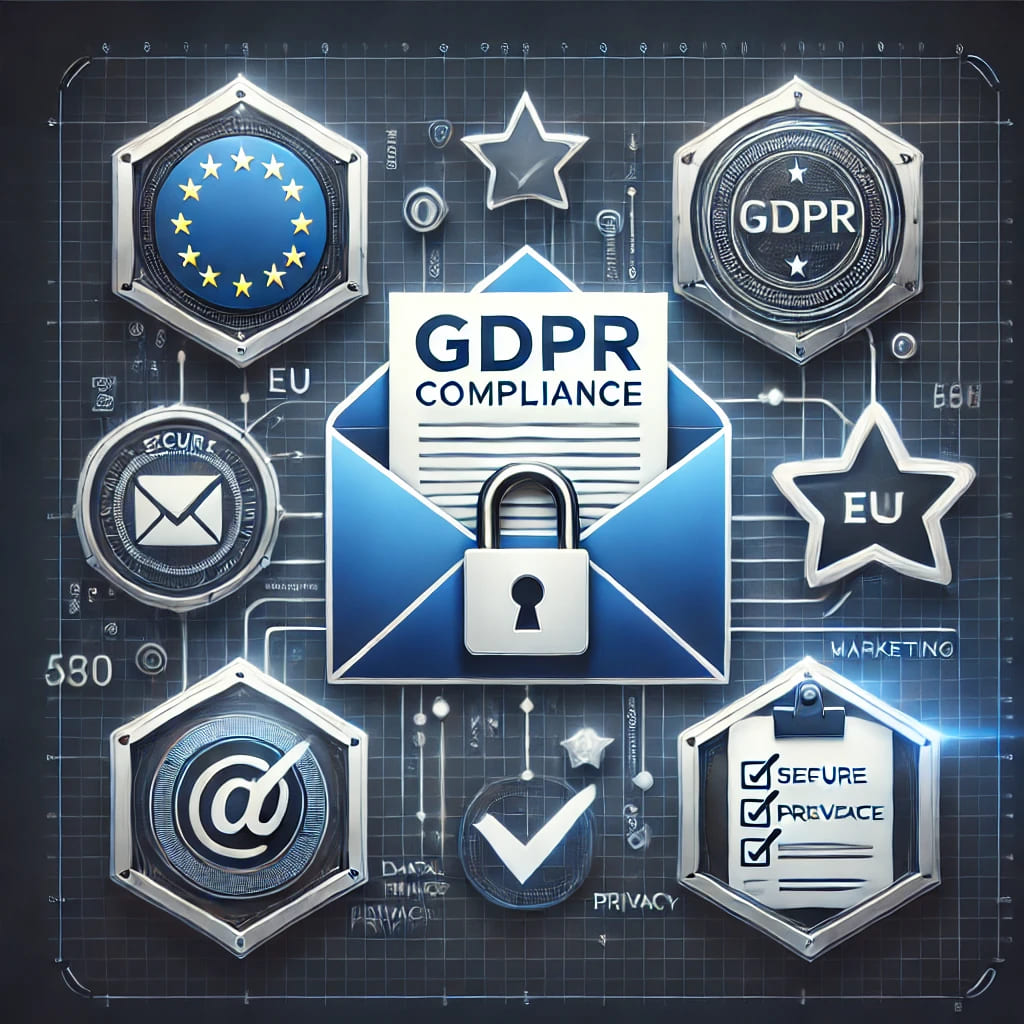
In today's digital marketing landscape, email campaigns remain one of the most effective channels for reaching customers. However, with the implementation of the General Data Protection Regulation (GDPR) in 2018, businesses must navigate a complex regulatory framework to ensure their email marketing practices remain compliant. This comprehensive guide explores the essential steps you need to take to align your email marketing strategies with GDPR requirements.
What is GDPR and Why Does It Matter for Email Marketing?
The General Data Protection Regulation is a comprehensive data protection law that came into effect on May 25, 2018. It applies to all organizations operating within the EU and those dealing with EU residents' data, regardless of their location. For email marketers, GDPR has fundamentally changed how personal data can be collected, stored, and used.
Non-compliance with GDPR can result in severe penalties—up to €20 million or 4% of annual global turnover, whichever is higher. Beyond the financial risks, failing to adhere to these regulations can damage your brand reputation and erode customer trust. That's why using reliable tools like Email-Validation.co becomes crucial in maintaining compliance while maximizing your email marketing effectiveness.
Key GDPR Principles for Email Marketers
To ensure your email marketing campaigns remain GDPR compliant, you must understand and implement these fundamental principles:
1. Explicit and Informed Consent
Under GDPR, you must obtain explicit consent before sending marketing emails. Pre-ticked boxes, assumed consent, or bundled consent no longer qualify as valid. Your subscribers must actively opt-in to receive communications.
Practical implementation tips:
- Use clear, unchecked opt-in boxes
- Specify exactly what the subscriber is agreeing to
- Maintain records of when and how consent was obtained
- Implement double opt-in processes for added security
Email validation plays a crucial role here, as it helps ensure the email addresses you collect are valid and belong to real people. Learn more about effective validation methods in our Blog section.
2. Right to Access and Be Forgotten
GDPR gives individuals the right to access their personal data, know how it's being used, and request its deletion. Your email marketing systems must be capable of handling these requests efficiently.
To implement this effectively:
- Create straightforward processes for data access requests
- Ensure your database architecture allows for complete deletion of user data when requested
- Document all data processing activities
- Train your team on handling data subject requests
3. Data Minimization and Purpose Limitation
Only collect the data you genuinely need for your stated purposes. If you're collecting email addresses for marketing newsletters, you shouldn't be gathering unnecessary additional information without separate consent.
Check our How It Works page to understand how proper email validation supports data minimization by ensuring you're only targeting valid email addresses.
Practical Steps to Achieve GDPR Compliance
Audit Your Email List and Data Collection Points
Start by conducting a comprehensive audit of your existing email database and all points where you collect email addresses:
- Review your existing database to determine if you have proper consent for each contact
- Examine all your data collection forms, landing pages, and lead generation tools
- Document what personal data you're collecting and why
- Map data flows to understand where email data is stored and processed
Implement Proper Consent Mechanisms
Ensure all your email collection points incorporate proper consent mechanisms:
- Create clear, specific opt-in language that explains how you'll use the data
- Make your privacy policy easily accessible at the point of data collection
- Separate marketing consent from other terms and conditions
- Consider implementing granular consent options for different types of communications
For detailed information about consent requirements, check out our FAQ section where we address common compliance questions.
Clean and Validate Your Email Database
Maintaining a clean, validated email list is not just good practice—it's a GDPR requirement:
- Regularly remove inactive subscribers
- Validate email addresses to ensure accuracy and prevent hard bounces
- Implement a re-permission campaign for contacts without proper consent documentation
- Use a reliable email validation service to verify legitimacy of email addresses
Email-Validation.co offers affordable plans to help maintain your list quality—check our Pricing page for options that fit your business needs.
Update Your Privacy Notice
Your privacy notice should be clear, concise, and easily accessible:
- Clearly state what data you collect and why
- Explain how long you retain data
- Identify any third parties with whom you share data
- Detail the rights subscribers have regarding their data
- Provide contact information for privacy-related inquiries
Implement Technical and Organizational Measures
GDPR requires appropriate security measures to protect personal data:
- Use encryption for storing and transmitting email data
- Implement access controls to limit who can view subscriber information
- Create data breach response procedures
- Conduct regular security assessments of your email marketing systems
- Consider pseudonymization of personal data where feasible
Our Documentation provides detailed guidance on integrating secure email validation into your existing marketing systems.
Special Considerations for International Email Marketers
If your business operates globally, you need to consider how GDPR intersects with other regional privacy regulations:
Managing Multiple Compliance Requirements
Different regions have their own data protection laws that may apply alongside GDPR:
- The California Consumer Privacy Act (CCPA) for California residents
- Canada's Anti-Spam Legislation (CASL)
- Brazil's General Data Protection Law (LGPD)
- Australia's Privacy Act
The good news is that GDPR compliance often puts you on the right track for meeting these other requirements as well, as it's one of the most stringent frameworks available.
International Data Transfers
If you transfer EU resident data outside the EU (including to email marketing service providers), additional safeguards are required:
- Use providers with appropriate data transfer mechanisms in place
- Consider Standard Contractual Clauses (SCCs) for international transfers
- Be aware of the implications of the Schrems II decision on international data flows
- Document all international data transfers in your records of processing activities
Common GDPR Compliance Mistakes in Email Marketing
Even well-intentioned marketers can fall into these compliance traps:
Buying Email Lists
Purchasing email lists is effectively incompatible with GDPR, as the individuals on these lists haven't provided direct consent to your organization. Instead, focus on building organic lists through proper opt-in processes and use Email-Validation.co to ensure the quality of collected addresses.
Inadequate Unsubscribe Options
Every marketing email must contain a clear, easy-to-use unsubscribe mechanism. Making this process difficult or obscure violates GDPR principles and damages trust.
Poor Record-Keeping
Without proper documentation of consent, you may be unable to demonstrate compliance in case of an audit or complaint. Maintain comprehensive records of when and how each subscriber opted in.
Failure to Respect Preferences
If subscribers have indicated specific preferences for communication types or frequency, failing to honor these choices can constitute a breach of GDPR requirements.
Tools and Techniques for GDPR-Compliant Email Marketing
Several tools can support your compliance efforts:
Email Validation Services
Email validation tools like Email-Validation.co help ensure the quality and legitimacy of your email list. By verifying that addresses are valid, deliverable, and not disposable, you reduce the risk of contacting individuals who haven't provided consent. Our service offers 100 free validations per month to get you started—perfect for testing the impact on your compliance efforts.
Consent Management Platforms
These platforms help you collect, store, and manage consent in compliance with GDPR requirements. They provide audit trails and make it easier to demonstrate compliance.
Customer Data Platforms (CDPs)
CDPs can centralize your customer data and make it easier to respond to data subject requests, implement data retention policies, and maintain a single source of truth for personal information.
Privacy-Focused Email Marketing Platforms
Choose email marketing platforms that have built-in GDPR compliance features, such as:
- Double opt-in functionality
- Consent tracking
- Automated data retention controls
- Easy data export for subject access requests
- One-click unsubscribe options
Measuring and Improving Your GDPR Compliance
Compliance is not a one-time effort but an ongoing process of improvement:
Regular Compliance Audits
Schedule periodic reviews of your email marketing practices to ensure continued compliance with GDPR requirements. This should include:
- Reviewing consent collection methods
- Checking data retention practices
- Testing data subject request procedures
- Validating security measures
Staff Training
Ensure that everyone involved in email marketing understands GDPR requirements and their role in maintaining compliance. Regular training sessions can help keep compliance top of mind.
Documenting Compliance Efforts
Maintain detailed records of your compliance activities, including:
- Results of data protection impact assessments
- Staff training logs
- Audit findings and remediation efforts
- Updates to privacy notices and consent mechanisms
The Business Benefits of GDPR Compliance
While achieving GDPR compliance requires investment, it offers significant business advantages:
Improved Data Quality
By focusing on proper consent and regular data validation using tools like those found on our Blog, you'll maintain a higher-quality email list of engaged subscribers who genuinely want to hear from you.
Enhanced Customer Trust
Demonstrating respect for customer privacy builds trust and strengthens your brand reputation—a competitive advantage in today's privacy-conscious market.
Better Campaign Performance
Clean, validated lists of genuinely interested subscribers typically generate higher engagement rates, better deliverability, and improved ROI on email campaigns.
Reduced Legal and Financial Risk
Proactive compliance reduces the risk of complaints, investigations, and potentially significant fines. The cost of implementing proper compliance measures is typically far less than the cost of addressing a GDPR violation.
Conclusion: Making GDPR Work for Your Email Marketing
GDPR compliance should be viewed not as an obstacle but as an opportunity to refine your email marketing approach. By embracing these regulations, you can build more transparent relationships with your subscribers, improve data quality, and ultimately create more effective email campaigns.
Start by auditing your current practices, implementing the necessary changes, and leveraging tools like Email-Validation.co to ensure your email data remains clean and compliant. Check our Pricing page to find a plan that suits your validation needs and helps maintain your GDPR compliance.
Remember that compliance is an ongoing journey rather than a destination. By staying informed about regulatory changes and regularly reviewing your practices, you can ensure your email marketing campaigns remain both compliant and effective in the evolving privacy landscape.
For more detailed information about email validation and its role in compliance, visit our How It Works section or browse our FAQ for answers to common questions.